
AI Action Figure Trend: Why America Turned Its Social Feeds Into A Toy Aisle
In 2025, US social media timelines started looking like the toy aisle at Target. People turned themselves into AI‑generated action figures and dolls, complete with glossy boxes, logos and accessories. This AI action figure trend is more than a meme – it connects AI, collectibles, fandom and personal branding in a way that fits the US market perfectly.
From Selfie To Shelf‑Ready Figure
Users upload a photo, write a short prompt and get a stylized action‑figure version of themselves inside a toy box. Media outlets have shown how this started with tools like ChatGPT’s image generation and spread across Instagram, TikTok, LinkedIn and X as the latest viral filter.
What Exactly Is The AI Action Figure Trend?
The AI action figure trend is a social media wave where people turn themselves, their friends or their favorite characters into digital action figures. These images show a person as a toy, framed inside a plastic bubble or box, with bold graphics, logos and accessories that represent their lifestyle or job.
Tech and lifestyle outlets describe it as the next step after AI selfie filters, anime portraits and “Barbie‑style” edits. Instead of just changing your face, the focus is on making the entire frame look like a product photo shot in a toy studio – complete with price tags, character names and even fake age recommendations.
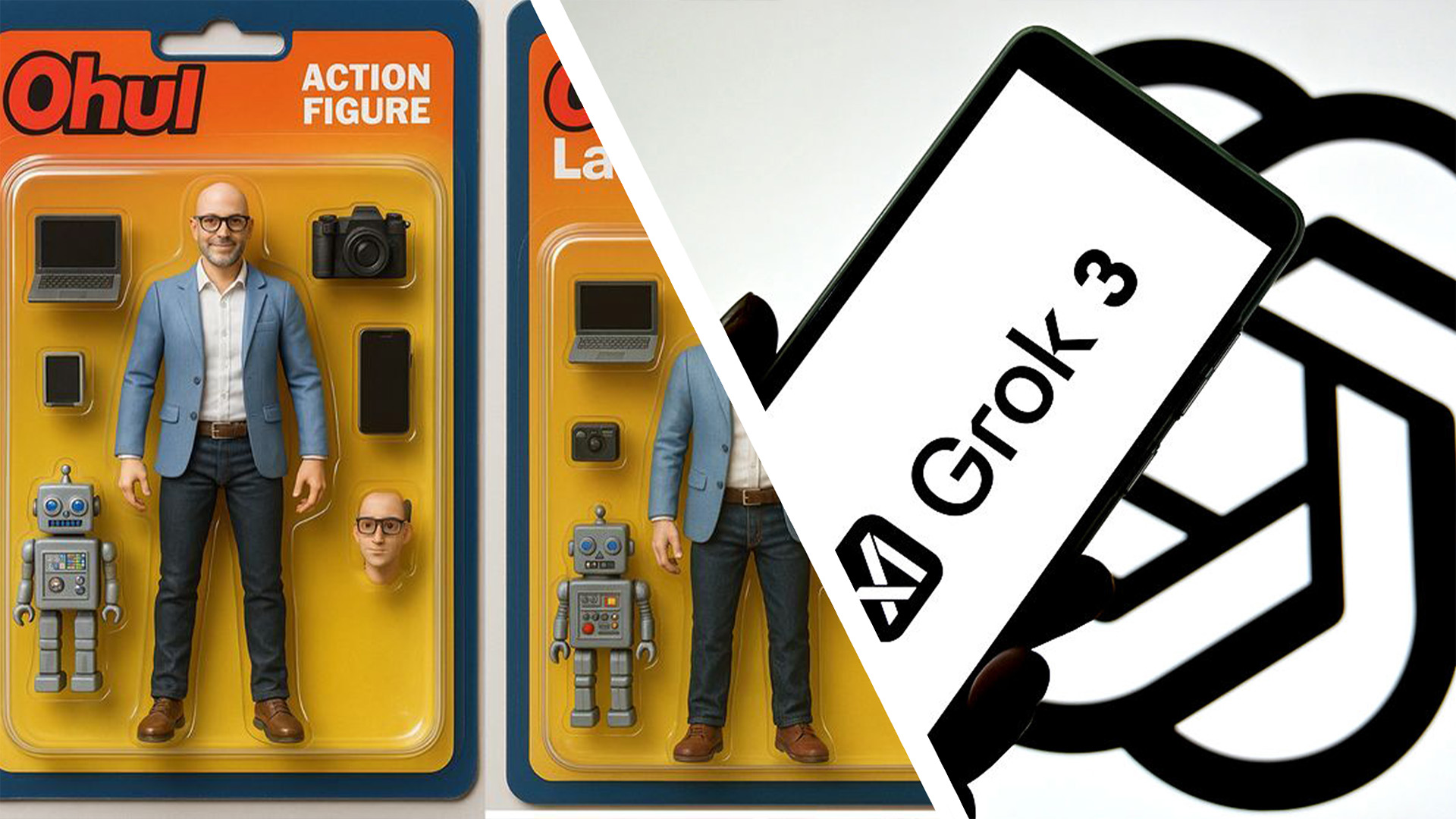
How it looks in your feed
- A portrait of a person, but with shiny plastic skin, toy‑style proportions and studio lighting.
- A bold cardboard backing or full box design with logos, colors and branded typography.
- Accessory slots around the figure – laptop, camera, coffee cup, dumbbells, microphone and more.
- Captions where people joke about their “stats”, “special abilities” or “limited edition” version.
Where Did The AI Action Figure Trend Come From?
The exact first post is hard to track, but multiple articles point to marketing teams and creators experimenting with prompts that wrap a person inside a “Barbie box” or action figure blister pack. Social media managers on LinkedIn began posting AI dolls of themselves as a fun re‑introduction to their audience, and the concept quickly spread to other platforms.
Lifestyle and tech publications have covered how people use tools like ChatGPT’s image generation and other AI apps to upload their photo, type a descriptive prompt, and get their custom figure with matching accessories. News outlets have even created their own staff dolls to show readers how the trend works step by step.

Key points from media coverage
- Articles explain that users upload a photo and use a detailed text prompt to describe the toy style they want.
- Examples include “Barbie‑like dolls”, superhero‑inspired figures and retro 90s action heroes.
- Journalists show how AI action figures are used for personal branding, corporate fun and fan art.
- Some stories connect the trend to earlier AI selfie waves and to marketing experiments with AI‑generated avatars.
Why The AI Action Figure Trend Fits The US Market So Well
The United States already has a strong culture of action figures and collectibles, from superhero toys and movie tie‑ins to high‑end statues for adult fans. Market research shows that the US action figure segment is worth several billion dollars and is expected to keep growing over the next decade, pushed by nostalgia, licensed entertainment and online collector communities.
Action figures and collectibles by the numbers
| Segment | Key numbers (approximate) | Why it matters for the trend |
|---|---|---|
| U.S. action figures | Market value around 3 billion dollars in the mid‑2020s, with solid growth projected toward 2030. | Shows that US consumers already love action figures, especially as detailed collectibles and franchise merch. |
| Global action figure toys | Worldwide market estimated near 7–8 billion dollars, forecast to pass 11 billion by early 2030s. | North America is among the largest regions, driven by movie, TV and game licensing deals. |
| Toy collectibles overall | Collectibles and figure‑based toys are expected to grow strongly through 2030 as adult collectors spend more online. | Digital AI figures act as a “preview layer” for this physical collectibles economy. |
Analysts also point out that many US adults buy action figures for themselves, not just for kids. They display them in home offices, use them as Zoom background props and treat them like mini investments tied to their favorite franchises. That emotional connection makes it feel natural to imagine yourself as a figure on the same toy shelf.
How The AI Action Figure Trend Works (Step By Step)
While every app has its own interface, most AI action figure workflows in the US follow the same basic pattern. A mix of image generation, inpainting and prompt engineering turns an ordinary selfie into a box‑ready toy concept that could easily sit on a store shelf.
1. Choose the base photo
Creators start with a selfie or portrait with good lighting and a clear view of the face. Many tutorials recommend neutral backgrounds and medium shots so that the AI model can clearly pick up body shape and clothing before transforming them into toy‑like proportions.
2. Write a prompt in “toy language”
The prompt describes the style of the action figure: modern superhero, retro 80s toy, stylized doll or sci‑fi mech pilot. People also specify the box design – colors, logos, tagline, plus the type of accessories they want in the plastic shell: a camera, laptop, microphone, game controller or coffee cup that matches their real‑life persona.
3. Generate multiple versions
Most AI tools offer several image options for each prompt. Users scroll through, pick their favorite composition, and sometimes re‑prompt to tweak the lighting, angle or pose. The most successful posts usually keep the design bold and readable at small sizes so it pops inside a mobile feed.
4. Refine and upscale
More advanced creators upscale the selected image, remove any glitches and sometimes add brand logos or text in other design software. The goal is to make the picture look like a polished product shot taken for a toy catalog – even though it is fully synthetic.
5. Post and tell the story
Finally, the figure is shared on TikTok, Instagram, LinkedIn or X with a caption explaining the “character”. Some people treat it like a joke – “Limited Edition Over‑Caffeinated Designer” – while others use it more seriously as a creative way to reintroduce themselves or their brand online.

Who Is Using The AI Action Figure Trend – And Why?
In the US, the AI action figure trend cuts across age groups and professions. It is playful enough for casual users yet polished enough for marketers and designers to turn into branded content.
Casual users and meme culture
- Teenagers and young adults use the trend as a fun filter, similar to past anime and cartoon styles.
- Groups of friends create themed “team packs” where each person is a different character on the same card.
- Fans turn their favorite athletes, artists or streamers into figures as a form of fan art.
Influencers, streamers and creators
- Content creators present themselves as “hero” or “boss” versions of their online persona.
- Gamers and streamers create figure versions of their avatars or in‑game roles.
- Some creators use repeating toy characters as a visual motif across their thumbnails and banners.
Professionals and brands
- Marketing managers on LinkedIn post their “CEO action figure” or “social media manager doll” to stand out.
- Agencies produce team rosters as toy lines, introducing new hires as limited‑edition figures.
- Brands experiment with AI action figures as part of playful campaigns, mixing product and persona in one image.
Impact On Marketing, Collectibles And Brand Strategy
For brands and agencies in the United States, the AI action figure trend is more than short‑lived entertainment. It has clear use‑cases in campaign design, product testing and community building.
AI figures as low‑cost concept art
Marketing teams can generate dozens of collectible‑style characters in a single afternoon, each with different outfits, color schemes and packaging. These images work as concept art for future mascots, limited‑edition products or even physical toys. When one design gets unusually high engagement, it becomes a signal that fans could respond well to a real‑world version.
Bridging digital and physical collectibles
Collectors already use digital mockups to imagine variants and custom paint jobs for real figures. AI action figure images slot neatly into that behavior: they serve as dream versions that might later inspire 3D‑printed models, custom kits or official limited editions. Some companies have experimented in the past with letting customers scan their face and receive a personalized action figure – AI makes the design phase for that kind of product much faster.
Humanizing “boring” industries
Another angle is tone. When a tax app, accounting firm or B2B software company posts an AI action figure of their mascot or founder, it sends a message: “we pay attention to culture and we are willing to have a little fun”. For US small business owners who see countless generic ads every day, this can feel surprisingly fresh.

How To Ride The AI Action Figure Trend (For US Creators & Brands)
Choose the right tool
Look for AI image tools or mobile apps that specifically mention action figure, doll or boxed toy styles. Some platforms bundle ready‑made templates where you only need to upload your face and adjust colors and text. Others require a more advanced prompt, but give you more control over lighting and camera angle.
Write strong prompts
- Describe the toy style clearly: “retro 90s action figure”, “Barbie‑inspired doll”, “comic book hero”.
- Add clothing and color details that match your real‑life brand or niche.
- Include accessories that instantly tell your story – camera, laptop, microphone, sneakers, etc.
- Mention packaging elements: bold logo, tagline strip, plastic blister, holographic sticker.
Think like a thumbnail designer
Most people will see your AI action figure on a small phone screen. Make sure the pose is clear, your face is visible, and the colors stand out against the platform’s background. Simple, high‑contrast designs tend to perform better than overly busy layouts.
Stay legally and ethically safe
- Avoid using other people’s images without permission, especially celebrities or private individuals.
- Be cautious when referencing trademarked franchises or logos to avoid confusion with official merch.
- Clarify in your caption that the image is AI‑generated and not a real product if there is any risk of confusion.
- Follow each platform’s guidelines on AI content and disclosure as they continue to evolve.
Measure performance
Treat your AI action figure posts like any other piece of content: track views, saves, shares and comments. Over time, you will see which figure styles resonate with your US audience – corporate chic, streetwear, gamer, fitness hero or something completely unexpected.

Risks, Criticism And Limitations Of The AI Action Figure Trend
Like any viral AI meme, the AI action figure trend has downsides. Some critics worry that constant visual filters encourage people to see themselves mainly through idealized or commercialized images. Others worry that brands will overuse the format, making it feel stale or inauthentic.
Potential issues users should know
- Over‑editing your appearance can affect self‑image and expectations, especially for younger audiences.
- Uploading personal photos to third‑party apps always carries some privacy and data‑usage risks.
- Some AI tools may reuse prompts or images to train future models, depending on their terms of service.
- There is a thin line between playful satire and disrespect when turning public figures into toys.
How to use the trend responsibly
- Stick to light‑hearted, clearly fictional presentations and avoid misleading people about real products.
- Read the privacy policy of your chosen tool, especially if you upload sensitive or workplace photos.
- Rotate formats – do not rely only on AI action figures; mix with behind‑the‑scenes and real photos.
- Use the trend to start conversations about creativity and technology, not just for empty clicks.
AI Action Figure Trend: A New Layer Of Digital Collectibles
The AI action figure trend shows how fast American culture blends nostalgia, technology and self‑expression. For creators, it is a way to tell your story in one image. For brands, it is a low‑risk playground for character concepts and campaign ideas. And for fans of toys, it is another excuse to see the world – and themselves – through the lens of a collectible figure.
If you work in content, marketing or the toy and collectibles space in the United States, this is a trend worth understanding in depth. Even when the initial meme wave fades, the idea of fast, AI‑driven character packaging is likely to stay – ready to inspire the next generation of physical and digital products.
External sources mentioned in this article (for further reading):
- Forbes – “AI Action Figure Trend, Explained — And How To Make Your Own” https://www.forbes.com/sites/lesliekatz/2025/04/15/ai-action-figure-trend-explained—and-how-to-make-your-own/
- BBC – “Everyone’s jumping on the AI doll trend” https://www.bbc.com/news/articles/c5yg690e9eno
- Mashable – “AI action figure trend: What it is and how to make yours” https://mashable.com/article/ai-action-figured-trend-what-it-is-how-to-make-one
- USA TODAY – How to create an AI action figure / doll with ChatGPT https://www.usatoday.com/story/tech/2025/04/15/how-to-ai-action-figure-doll-trend/83083795007/
- Grand View Research – U.S. Action Figures Market Size, Industry Report https://www.grandviewresearch.com/industry-analysis/us-action-figures-market-report
- Astute Analytica – Global Action Figure Toys Market Overview https://finance.yahoo.com/news/action-figure-toys-market-reach-133000885.html
- 123 Internet Agency – “AI‑Generated Action Figures: The Next Big Trend in 2025 Marketing?”
AI‑Generated Action Figures: The Next Big Trend in 2025 Marketing
- AI Action Figure Generator – Nano Banana https://actionfiguregenerator.ai
- AI Action Figure Maker Trend – iOS app (US) https://apps.apple.com/us/app/ai-action-figure-maker-trend/id6744356587


